Sarah Vanover
  • Home
  • Books
  • Workshops
  • Blog
  • About Author
  • Contact

Blog

Guiding Behavior in the Preschool Classroom – Part 2, A Positive Classroom

8/12/2017

0 Comments

 
Picture
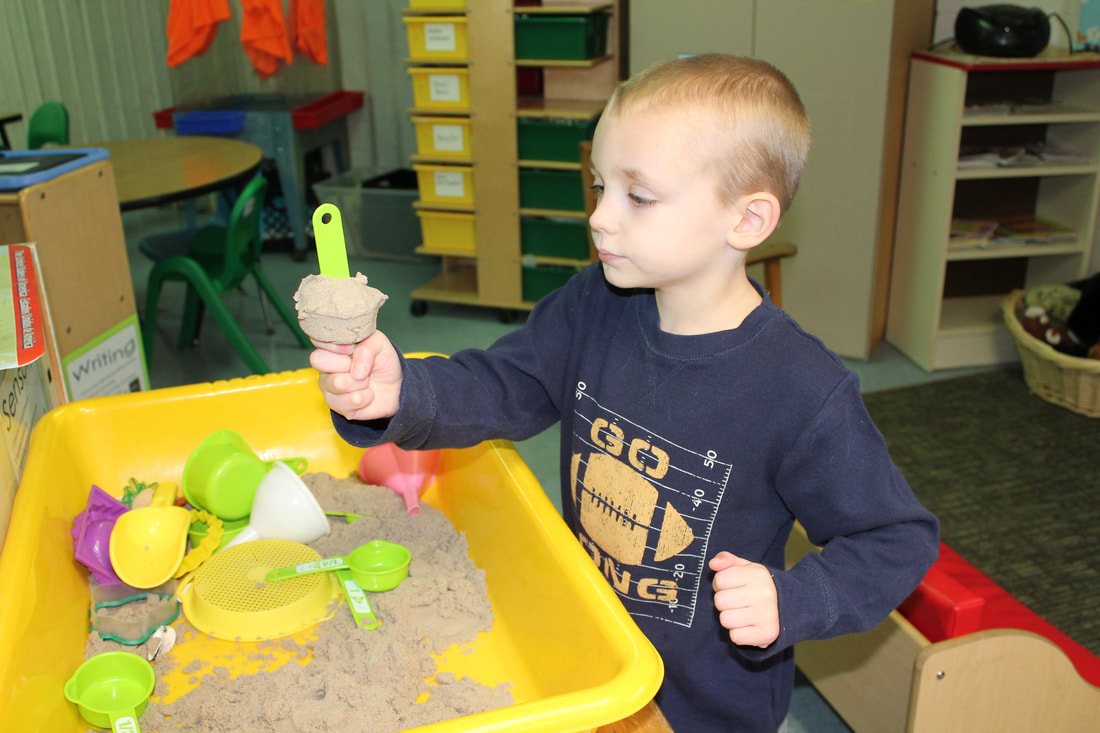
​Once the foundations of classroom guidance are established, it is important to establish a positive classroom in order to guide the children’s behavior.  Early childhood educators can establish positive behaviors in several ways:
 
  • Using positive words – No child wants to be in a classroom where he is constantly being told “no” or “stop”.   Not only does this establish a negative relationship between the child and the educator, but telling a child to “stop running” does not give him directions on what he should be doing.  Instead, teachers need to rephrase their statements so that they give children instructions instead of reprimands.  Instead of saying “stop hitting”, the teacher can rephrase the sentence to say “use gentle hands with your friends.”  This type of statement gives the child guidance and prevents the teacher from constantly saying negative phrases to the child.
 
  • Noticing the positive – When the teacher sees children in the classroom modeling the appropriate classroom behavior, it is essential for the teacher to praise them!  This helps the children know that they are doing what they are supposed to do and it helps them feel proud of making positive decisions.  Other children may also hear your comments when you praise a child for doing what she is supposed to do, and they may model her behavior to receive your praise as well.  Receiving compliments from a teacher can be a powerful motivation for young children.
 
  • Rewards instead of punishment – In the past, early childhood classrooms would try to eliminate negative behaviors with punishments like sitting a child in timeout or depriving a child of a classroom treat (like group play or playground time).  This approach often backfired on the teachers because taking away a child’s opportunity to move and run on the playground will frequently make the child feel more rambunctious. Timeouts are not a successful tool because young children do not usually associate the negative action with sitting in timeout.  Instead of taking away things from children, early childhood educators need to focus on finding out what motivates young children.  When a child is fascinated by science activities, then the teacher can often deter negative behavior by providing new and intriguing activities in the science center.  If a child enjoys feeling independent, the teacher may be able to motivate positive behavior by providing opportunities for the child to be a classroom helper, like passing out napkins at snack time or helping the teacher clean up.  The teacher must get to know each child to determine what they are motivated by, but this investment can be a must more effective tool than a disciplinary action.
 
Creating a positive classroom environment makes the children feel safe and loved during the day, but a positive environment also allows the classroom teacher to enjoy the environment as well.
0 Comments
Guiding Behavior in the Preschool Classroom – Part 1, The Foundation

8/3/2017

3 Comments

 
Picture
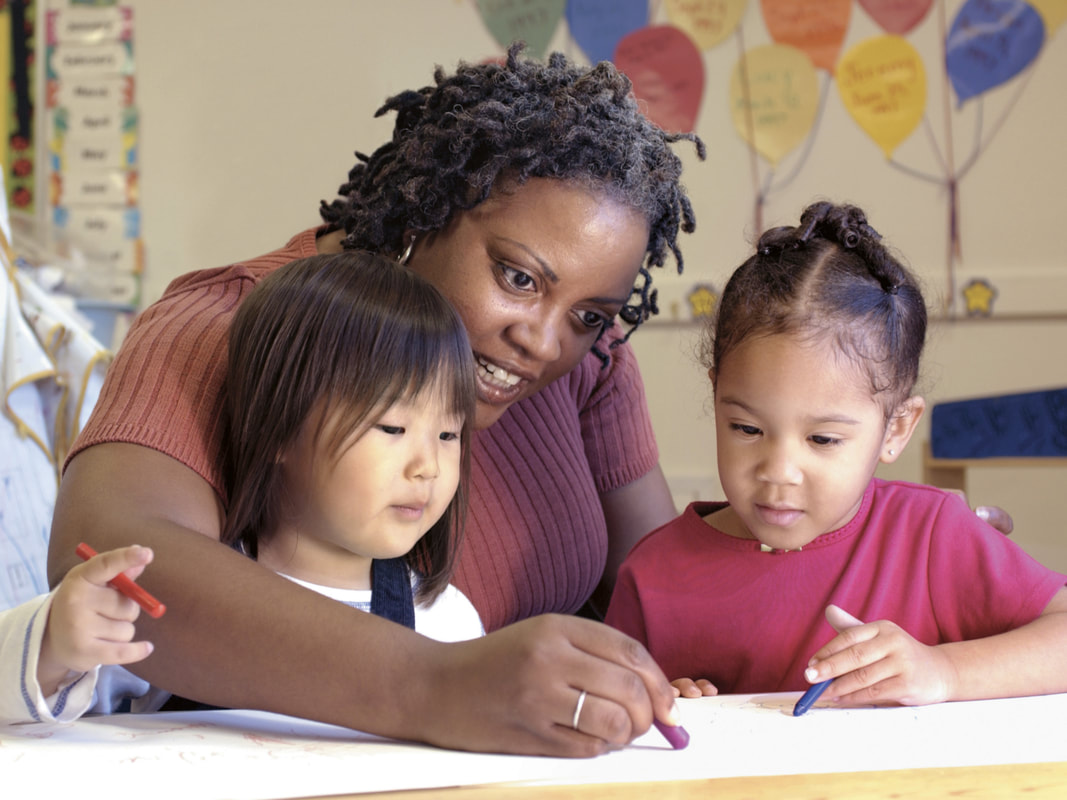
Early childhood educators get the wonderful privilege of spending their days with active, imaginative young children.  The work day can be exciting; however, it can be overwhelming for preschool teachers to interact with twenty preschoolers in the early childhood classroom at one time.  Even with the energy and movement in a room full of preschoolers, a talented early childhood educator can use a selection of strategies to guide the behavior of the children in order to have a productive day of learning.
 
Before the teacher ever addresses the behavior of an individual child, he or she should have several foundational principles established in the classroom.
 
  • Each classroom needs to have an established schedule.  The schedule is an outline of the events that will happen throughout the day in order.  Sometimes the time period of each event may slightly change, but the order of the events should remain consistent.  These predictable events are meaningful to the young children.  They help put children at ease and allow them to self-soothe, all while meeting the child’s basic needs.  Daily routines create  predictable and less stressful environments for children and improve behavior during classroom hours.
 
  • All preschool classrooms need to have duplicates of the most popular toys and materials in order to reduce the amount of fighting over toys throughout the day.  When there are enough materials for every child in the classroom, and each child has an opportunity to play with the favorite classroom toy during the course of the day, the classroom teacher can significantly reduce unnecessary fighting.
 
  • Teachers need to make an effort to provide new classroom materials throughout the school year.  Since classroom materials can be so costly, this usually means that teachers must rotate toys off the shelf throughout the school year and bring them back to the classroom after short breaks.  When children do not see classroom materials for a while, they often become interested in the activity again like it was brand new.   When children have access to the same materials every day without change, they frequently become bored.  When children are bored with the classroom toys, they look for other ways to entertain themselves.  Children that are interested in the activities that are available are usually too busy to exhibit negative behaviors.
 
  • It is essential that the classroom teachers plan the classroom environment based on the interests of the children.  We typically call this “following the child”.  When children become extremely interested in a certain topic, the teacher should help the children learn more about it.  This devotion to the children’s learning helps the teacher and children develop a stronger relationship, as well as keep the interests of the children focused on the classroom learning.
 
These four strategies are a great starting place for each preschool teacher to guide the behavior of the children in the classroom.
 
3 Comments

    Author

    Dr. Sarah Vanover has been working in the field of early childhood education for over 22 years and has had the opportunity to be a teacher, a director, and a trainer for other early childhood educators.  She has a passion for making sure that children with special needs receive high-quality early care and education.

    Archives

    September 2017
    August 2017
    July 2017
    June 2017
    January 2017
    December 2016
    November 2016
    October 2016
    September 2016
    August 2016

    Categories

    All

    RSS Feed

  • Home
  • Books
  • Workshops
  • Blog
  • About Author
  • Contact