Sarah Vanover
  • Home
  • Books
  • Workshops
  • Blog
  • About Author
  • Contact

Blog

The Importance of Outdoor Playtime

11/19/2016

0 Comments

 
Picture
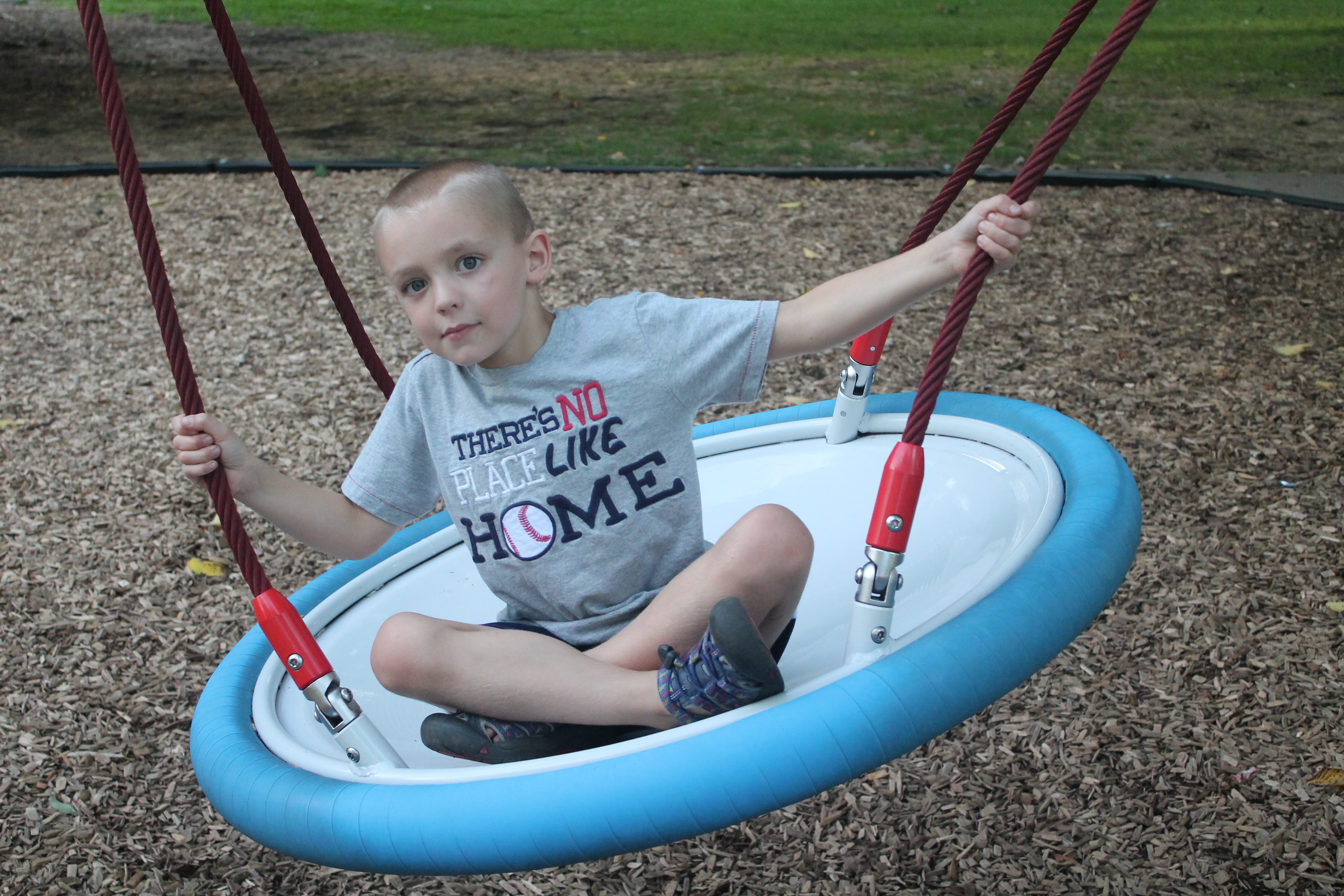
Young children learn through play.  They explore and experiment in play.  They act out situations they see in daily life, and they problem solve in play.  Although most play occurs indoors, it is essential for young children to have outdoor play as well.  There are significant benefits for each young child.
 
  • Outdoor play time improves overall health.  A child’s immune system is strengthened by some exposure to dirt and bacteria.  Also, children receive additional Vitamin D from outdoor play time which improves bone and dental health.
  • Outdoor play time allows children to exercise.  Children who play outdoors more frequently have lower rates of Type 1 Diabetes and childhood obesity.  They develop endurance for longer amounts of active play and lead more active lifestyles.
  • Outdoor play improves social and emotional development.  Children engage in group play and simple games when they are playing outdoors.  They must learn to share materials with one another and negotiate when there is a disagreement.
  • Outdoor play improves gross motor and fine motor skills.  Because large muscles in the body develop before small muscles, a child must learn to run and climb before doing more refined tasks.  Outdoor play allows children to climb, swing, and run.  Children develop balance, strength, coordination, and speed.  Once a child has mastered these large muscle skills, then he or she will be more capable to hold a crayon or zip a zipper.
  • Unstructured outdoor play promotes problem-solving and creative activities.  When children play outdoors they engage in pretend play adventures with intricate plots.  They create games and problem-solve ways to incorporate all of their peers.  The playground allows for a world of imagination.
  • Outdoor play improves a child’s concentration and focus.  When children are indoors and required to sit still for extended periods of time, they lose the ability to concentrate.  When children have the opportunity to run and enjoy the outdoors, they frequently return to the classroom with a renewed ability to focus and complete a task.
  • Children who are allowed to explore the outdoor environment develop a stronger love of nature.  These children frequently grow up learning to respect the environment and be good stewards of our natural resources.
  • Outdoor play also improves children’s mental health.  Outdoor play can improve a child’s mood and reduce stress levels.  Outdoor play also improves energy levels.   
 
Unfortunately, children are often prevented from playing outdoors due to unsafe neighborhoods, television, video games, or busy family life with multiple appointments.  Young children in quality childcare programs should have daily opportunities each to play outdoors, but  these opportunities may be taken away because of rigorous academic requirements.  Sometimes the early childhood educators do not take the children outside due to their own lack of energy or because they are not properly dressed for the weather.  These obstacles do not benefit the children, and it is essential for all early childhood professionals to advocate for outdoor playtime!  Since children often become restless and unfocused without outdoor play time, it benefits the teachers and the students to utilize the outdoor environment each day.
0 Comments
Creating Preschool Scientists

11/4/2016

1 Comment

 
Picture
​Many families are interested in teaching their children skills in science, technology, engineering, and mathematics.  This new focus on STEM education in our schools  begins as young as preschool and continues through higher education.  At the secondary education level, the desire is to educate and train children to obtain jobs  in prestigious and high-earning career fields.  Early childhood educators begin this process with young children by helping them learn to think scientifically.  Teachers must help children learn how to problem-solve.  Early childhood educators can not help children develop problem-solving skills by continuously giving them directions and having them follow step-by-step procedures.  Parents and educators must find ways to encourage children to ask questions and to predict answers in order to create scientific thinkers.   Parents and teachers can encourage preschoolers to use higher order thinking skills we these simple strategies:

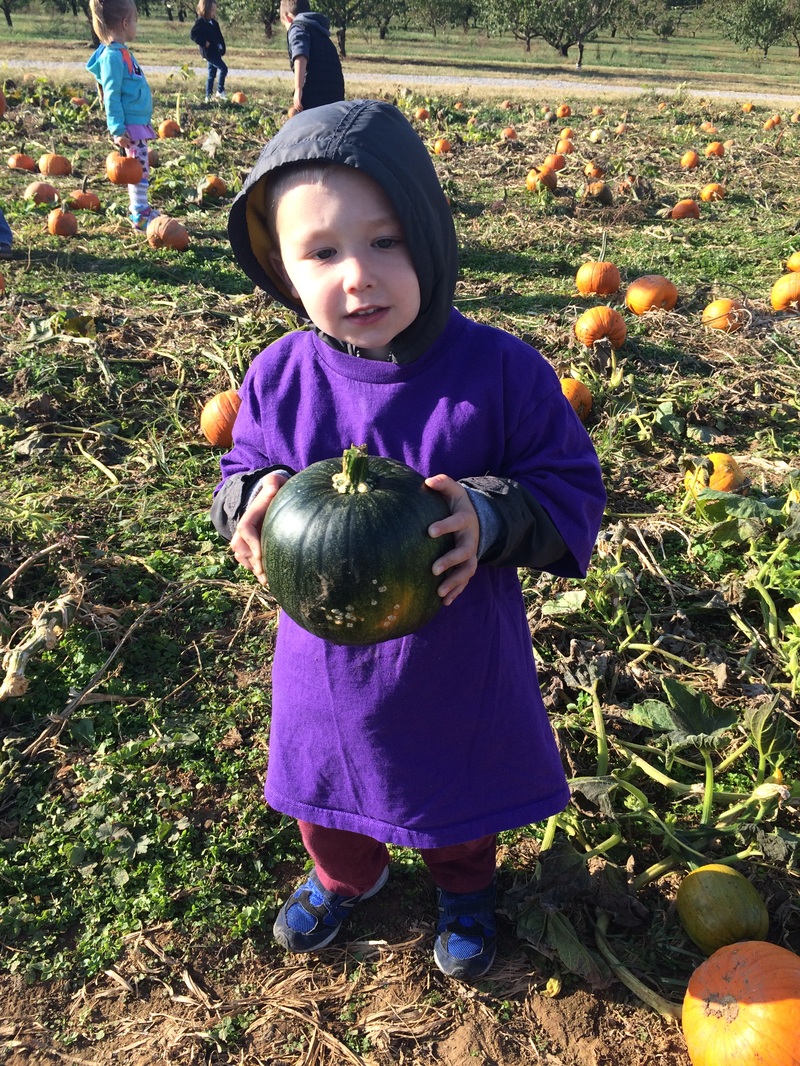
  • Hands-On Exploration – Instead of sitting back and waiting for information to come to them (like watching television or playing a video game), children need to explore and seek out new information.  That means that their classrooms and their homes need to be set-up to encourage exploration.  If a child can use their senses to touch, listen, hear, and manipulate their toys, then the can attempt to figure out how they work.  This process begins at a young age when an infant begins to explore a rattle by putting it in his mouth.  As preschoolers, children should be able to manipulate blocks, Playdoh, sand in the sensory table, and musical instruments.

  • Use Open-Ended Questions - A close-ended question requires a one-word answer, often yes or no.  In contrast, an open-ended question has no specific answer and allows the child’s imagination to wander.  If you ask a child what color your shirt is, there is only one correct answer.  The child can tell you the color, and that is the end of the conversation.  If you ask a child what that color reminds her of, then she can elaborate and give you a detailed description of what she is thinking.  Asking open-ended questions is a skill that most adults have to practice.  Most parents and teachers have conversations with children each day, but those questions usually begin with what or where.  What did you do today?  Where is your favorite place to go?  These are questions that usually have one specific answer.  Instead of using what and where, try to use how and why questions.  How did you build that tall tower?  Why did the blocks fall down?  How do the leaves change colors?  Why do the leaves fall to the ground?  All of these questions require the children to brainstorm for a possible answer.  You can also use open-ended statements like “I wander why . . .” or “Tell me about . . .”.  At first it may seem awkward to ask children open-ended questions frequently.  Just like many skills, this gets easier with practice!

  • Make Predictions – Another way to encourage children to think scientifically is to have them predict what will happen.  Predictions allow children to use their prior knowledge and personal experiences to relate to a new situation.  Adults can model how to make a prediction for young children.  It is very easy to model this behavior when reading a story.  The reader can make predictions by saying “I think this will happen next .”  The second step is to ask the students what they think will happen before the reader moves on to the next page.   Predictions can occur during play as well.  What do you think will happen if we put the big block on top of the tower?  What do you think the snow will feel like when you put your hands in it?  Once a child has made a prediction, it is important to compare the prediction to the actual outcome so they child can evaluate if the prediction was correct.
 
These three strategies can make a huge impact on a child’s ability to problem-solve.  Every preschool classroom should have a variety of science materials available to the children, but if the children are not trained to problem-solve, the scientific materials will not make a huge impact.  Teaching a child to imagine, explore, and predict will have the greatest impact on creating future scientists!

1 Comment

    Author

    Dr. Sarah Vanover has been working in the field of early childhood education for over 22 years and has had the opportunity to be a teacher, a director, and a trainer for other early childhood educators.  She has a passion for making sure that children with special needs receive high-quality early care and education.

    Archives

    September 2017
    August 2017
    July 2017
    June 2017
    January 2017
    December 2016
    November 2016
    October 2016
    September 2016
    August 2016

    Categories

    All

    RSS Feed

  • Home
  • Books
  • Workshops
  • Blog
  • About Author
  • Contact