Sarah Vanover
  • Home
  • Books
  • Workshops
  • Blog
  • About Author
  • Contact

Blog

The Importance of Outdoor Playtime

11/19/2016

0 Comments

 
Picture
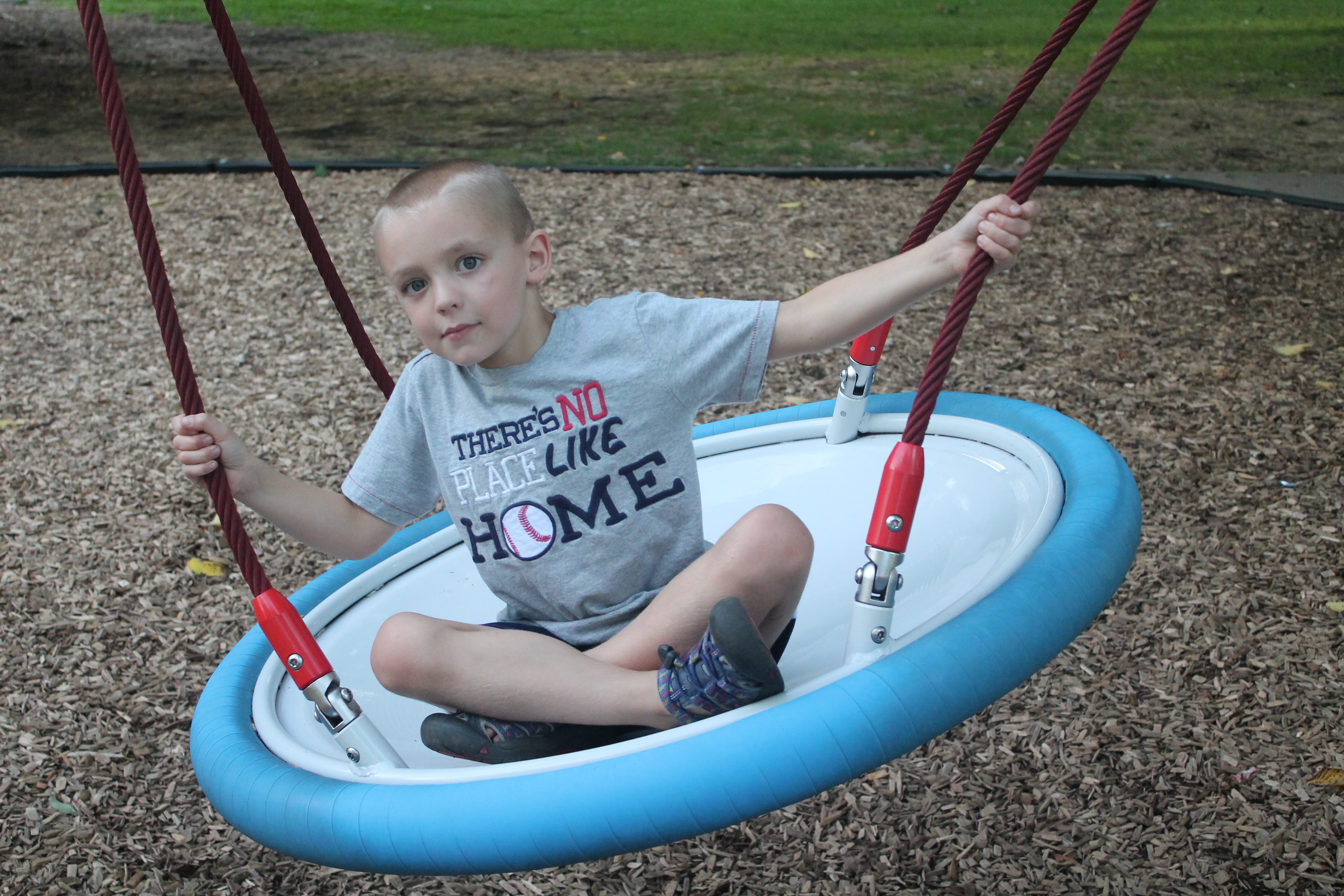
Young children learn through play.  They explore and experiment in play.  They act out situations they see in daily life, and they problem solve in play.  Although most play occurs indoors, it is essential for young children to have outdoor play as well.  There are significant benefits for each young child.
 
  • Outdoor play time improves overall health.  A child’s immune system is strengthened by some exposure to dirt and bacteria.  Also, children receive additional Vitamin D from outdoor play time which improves bone and dental health.
  • Outdoor play time allows children to exercise.  Children who play outdoors more frequently have lower rates of Type 1 Diabetes and childhood obesity.  They develop endurance for longer amounts of active play and lead more active lifestyles.
  • Outdoor play improves social and emotional development.  Children engage in group play and simple games when they are playing outdoors.  They must learn to share materials with one another and negotiate when there is a disagreement.
  • Outdoor play improves gross motor and fine motor skills.  Because large muscles in the body develop before small muscles, a child must learn to run and climb before doing more refined tasks.  Outdoor play allows children to climb, swing, and run.  Children develop balance, strength, coordination, and speed.  Once a child has mastered these large muscle skills, then he or she will be more capable to hold a crayon or zip a zipper.
  • Unstructured outdoor play promotes problem-solving and creative activities.  When children play outdoors they engage in pretend play adventures with intricate plots.  They create games and problem-solve ways to incorporate all of their peers.  The playground allows for a world of imagination.
  • Outdoor play improves a child’s concentration and focus.  When children are indoors and required to sit still for extended periods of time, they lose the ability to concentrate.  When children have the opportunity to run and enjoy the outdoors, they frequently return to the classroom with a renewed ability to focus and complete a task.
  • Children who are allowed to explore the outdoor environment develop a stronger love of nature.  These children frequently grow up learning to respect the environment and be good stewards of our natural resources.
  • Outdoor play also improves children’s mental health.  Outdoor play can improve a child’s mood and reduce stress levels.  Outdoor play also improves energy levels.   
 
Unfortunately, children are often prevented from playing outdoors due to unsafe neighborhoods, television, video games, or busy family life with multiple appointments.  Young children in quality childcare programs should have daily opportunities each to play outdoors, but  these opportunities may be taken away because of rigorous academic requirements.  Sometimes the early childhood educators do not take the children outside due to their own lack of energy or because they are not properly dressed for the weather.  These obstacles do not benefit the children, and it is essential for all early childhood professionals to advocate for outdoor playtime!  Since children often become restless and unfocused without outdoor play time, it benefits the teachers and the students to utilize the outdoor environment each day.
0 Comments


Leave a Reply.

    Author

    Dr. Sarah Vanover has been working in the field of early childhood education for over 22 years and has had the opportunity to be a teacher, a director, and a trainer for other early childhood educators.  She has a passion for making sure that children with special needs receive high-quality early care and education.

    Archives

    September 2017
    August 2017
    July 2017
    June 2017
    January 2017
    December 2016
    November 2016
    October 2016
    September 2016
    August 2016

    Categories

    All

    RSS Feed

  • Home
  • Books
  • Workshops
  • Blog
  • About Author
  • Contact