Sarah Vanover
  • Home
  • Books
  • Workshops
  • Blog
  • About Author
  • Contact

Blog

What Does a Quality Preschool Classroom Look Like?

10/20/2016

2 Comments

 
Picture
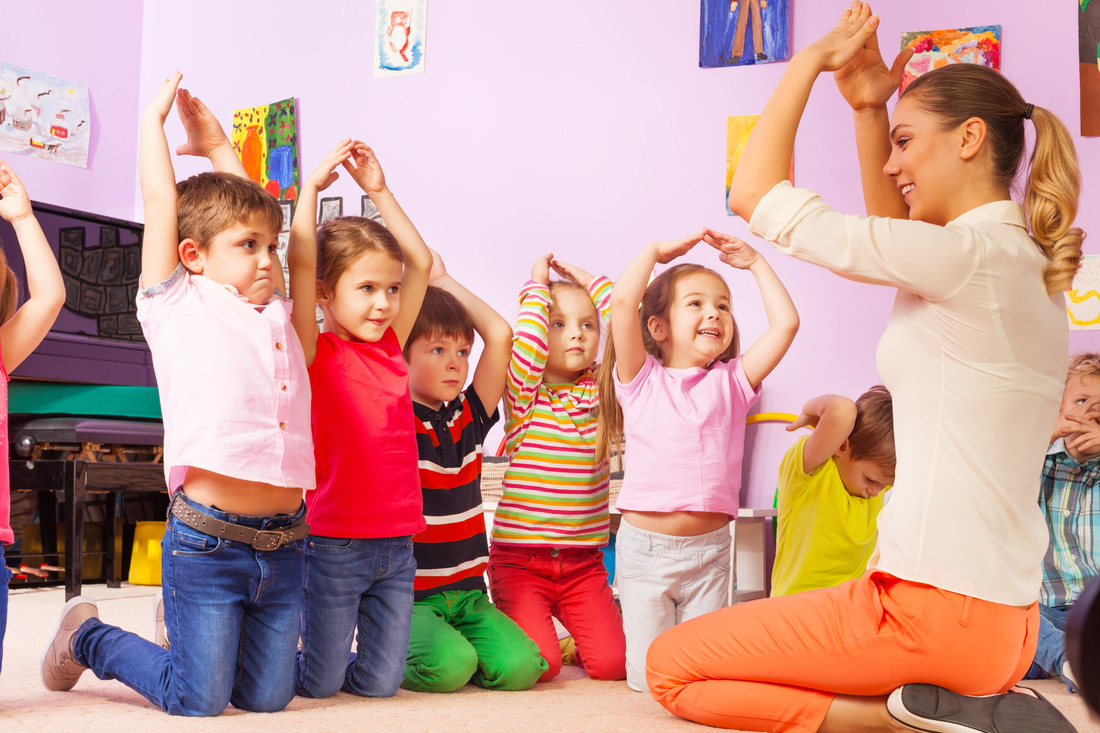
Developmentally-Appropriate Practice (DAP) is a style of teaching where the teachers create goals for the children based on the individual developmental level of each child and then find ways to support each child to meet those individual goals.  In the preschool classroom, a DAP classroom is led by the interests of the children, and the classroom allows young children to learn through play.  Since children enter preschool at many different levels of development (particularly in multi-age or inclusive classrooms), the classroom must be designed to support a variety of learners.  Here are some items found in the DAP preschool classroom:
 
  • Child-Sized Furniture and Materials – The classroom should be designed for young children and allow them to move freely and independently around the room.  This means that the furniture should be child-sized so that the children can sit independently at the tables, wash their hands, and select items from the shelves.  When classroom furniture is too tall, it may be unsafe if a teacher cannot see the entire classroom or if a child is encouraged to climb on the furniture to obtain an item that is out of reach.
 
  • Schedules and Routines – A DAP classroom has a daily schedule and routine in place.  This schedule should be displayed in the classroom with pictures and with words so that the children can see what occurs each day.  When young children know what activities to anticipate during the school day, they are often more comfortable to explore the environment and not be apprehensive of surprises.
 
  • Centers and Engaging Materials – Children should have a variety of centers located throughout the classroom.  Classroom centers should include areas like art, dramatic play, music, blocks, literacy/book center, fine motor materials, science, math, social studies, and sensory materials.  Children should have indoor playtime and outdoor playtime each day.  Children should have the opportunity to play in quiet areas of the classroom, and they should be able to play with their friends in group activities.  New materials should be rotated into the classroom throughout the year to keep the children engaged in the classroom activities.
 
  • Freedom of Choice – It is important that preschool children have the opportunity to move throughout the classroom to select the materials that they are most interested in using.  It is typical for preschool teachers to ask the children to keep certain types of materials in one area of the classroom, like art materials or books in the book center.  Teachers should not expect preschool children to stay in one center for an extended period of time or to require young children to sit in a desk until completing an activity.  A young child should have the opportunity to explore the classroom materials and put them away when he or she is finished.
 
  • Language-Rich Environments – Early childhood classrooms should be full of language and conversations.  Teachers should be involved in conversations with young children instead of simply offering directions.  Children should feel comfortable having conversations with each other.  The classroom should display printed words on walls, shelving, and on classroom materials.  Shelves should be labeled with pictures and words so that children can independently return their materials to the shelves but also so the children can begin to associate those printed words with the classroom materials.  Children should have access to books, as well as paper and pencils, in every area of the classroom.  The more language that a child is exposed to at a young age, the more quickly that child will learn to understand and read those words at an older age.
 
  • Familiar Environments -  Children need to feel ownership of their classroom in order to feel truly comfortable.  Teachers often make the classroom feel more inviting by displaying pictures of each child’s family throughout the room and displaying the children’s artwork.  Each child should have his or her own cubby to store personal items.  Teachers also need to follow the interests of the children to select new themes and topics for learning.  If a child feels invested in the classroom, then he or she will be more comfortable to explore and then learn.
 
There are several things that you should not see in a developmentally-appropriate classroom:
 
  • Worksheets – Artwork and literacy activities in the DAP classroom should involve hands-on materials that children can touch and explore.  Instead of printing letters on a worksheet, preschool students should be creating letters out of playdough or writing letters in shaving cream.  Children learn best when the senses are involved.
 
  • Extended Sitting Still – Children in preschool classrooms should not be required to sit in desks or stay at circle time for more than ten to fifteen minutes at a time.  Young children still have very short attention spans.  Activities that last longer than ten minutes will not be as successful as short, hands-on activities that allow children to explore the information the teacher presents.
 
  • Excessive Screen Time – Young children should have limited access to screen time in the preschool classroom.  It is appropriate for a preschool classroom to have a computer; however, the teacher should monitor the time that each student uses the computer.  Students should only watch television in the classroom if it is a brief clip that is related to the content the students are learning and the teacher interacts with the children while showing the video.
 
 
You can learn more about Developmentally-Appropriate Practice at http://www.naeyc.org/DAP.
 
2 Comments
Wax On Film link
8/31/2023 03:39:08 am

Thhanks great blog post

Reply
Alice Carroll link
12/30/2023 09:35:05 pm

You made a good point that the furniture in the preschool is also essential to look into when planning to find a good one. I want to find a good preschool soon because I plan to start the education of my daughter already. I it will be important to make sure that she goes to good preschool so that she will be able to get used to a school setting fast.

Reply


Leave a Reply.

    Author

    Dr. Sarah Vanover has been working in the field of early childhood education for over 22 years and has had the opportunity to be a teacher, a director, and a trainer for other early childhood educators.  She has a passion for making sure that children with special needs receive high-quality early care and education.

    Archives

    September 2017
    August 2017
    July 2017
    June 2017
    January 2017
    December 2016
    November 2016
    October 2016
    September 2016
    August 2016

    Categories

    All

    RSS Feed

  • Home
  • Books
  • Workshops
  • Blog
  • About Author
  • Contact